water softener resin funnel
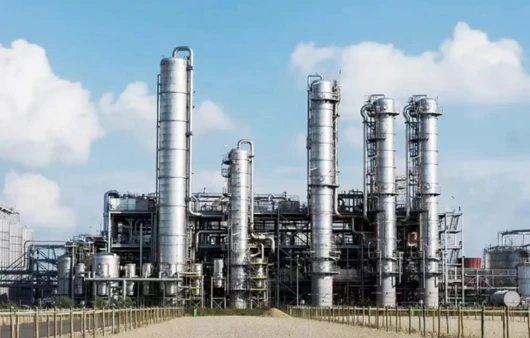
Advancing Industrial Purity: The Critical Role of High-Performance Resins In an era defined by stringent environmental regulations and an escalating demand for process efficiency, the role of advanced water treatment resin has become indispensable across a multitude of industrial sectors. These specialized polymeric materials are engineered to selectively remove impurities, recover valuable substances, and facilitate the production of ultra-pure water, which is crucial for modern manufacturing and sustainable operations. This article delves into the technical intricacies, application versatility, and strategic advantages offered by cutting-edge resin technologies, providing B2B decision-makers and engineers with a comprehensive understanding of their impact. Industry Trends Driving Resin Innovation Regulatory Compliance: Global regulations regarding effluent discharge (e.g., REACH, EPA standards) are becoming progressively stricter, necessitating more efficient and robust treatment solutions for pollutants like heavy metals, organic micropollutants, and endocrine disruptors. Water Scarcity & Reuse: Increasing water stress globally is driving the adoption of advanced treatment technologies for water reuse and recycling, particularly in water-intensive industries like petrochemicals, mining, and power generation. Resource Recovery: Beyond purification, there's a growing emphasis on recovering valuable resources from wastewater streams, such as metals (e.g., lithium from brines), rare earth elements, and specific organic compounds, where specialized water treatment resin acts as a key enabler. Sustainable Manufacturing: Industries are seeking greener chemistries and processes, pushing for resins with longer service life, higher regeneration efficiency, and lower environmental footprints. This includes the development of bio-based resins and more selective adsorbents. Advanced Analytical Demands: The demand for ultra-trace impurity detection in industries like pharmaceuticals and semiconductors necessitates highly effective purification resin and chromatography resin for sample preparation and process validation. The Manufacturing Process of High-Performance Resins The creation of a high-performance water treatment resin is a complex, multi-stage process requiring precise control over chemical reactions and physical parameters. These resins are typically synthetic polymers, predominantly based on styrene-divinylbenzene or acrylic matrices, designed to exhibit specific chemical and physical properties for target applications. Key Manufacturing Stages: Polymerization: This initial stage involves the controlled reaction of monomers (e.g., styrene, acrylic acid) and a cross-linking agent (e.g., divinylbenzene) to form a polymer matrix. Suspension polymerization is a common method, yielding spherical beads. The degree of cross-linking determines the resin's physical strength and pore structure (gel vs. macroporous). Functionalization: Post-polymerization, the inert polymer beads undergo chemical modification to introduce active functional groups. For example, styrene-divinylbenzene copolymers are typically sulfonate (for cation exchange) or chloromethylated and then aminated (for anion exchange). This step dictates the resin's selectivity and capacity. Washing and Rinsing: Following functionalization, the resins are thoroughly washed with deionized water to remove residual monomers, reagents, and by-products. This is critical for ensuring product purity and minimizing leachate during application. Sizing and Classification: The resin beads are then sieved or hydrocyclone-separated to achieve a desired particle size distribution. Uniformity in bead size is essential for optimal bed hydraulics, preventing channeling, and ensuring consistent performance in packed columns. Quality Control and Testing: Throughout the process, and especially at the final stage, rigorous testing is conducted. This includes particle size analysis, moisture content, total capacity, regeneration efficiency, osmotic stability, and chemical purity. Adherence to international standards such as ISO 9001, ASTM, and ANSI ensures product reliability and consistency. Drying and Packaging: The finished resins are carefully dried to their specified moisture content and packaged in appropriate container111s to prevent contamination and maintain product integrity during storage and transport. Fig 1: Schematic representation of the water treatment resin production process. This meticulous manufacturing ensures that each batch of water treatment resin delivers consistent performance, extended service life, and robust resistance to chemical and thermal degradation, enabling energy-saving operations and enhanced corrosion resistance in target industries like petrochemicals, metallurgy, and water supply & drainage. Technical Specifications and Expertise: Macroporous Adsorption Resin X-5 Understanding the structural and functional parameters of a water treatment resin is paramount for selecting the optimal product for a given application. Macroporous Adsorption Resin X-5 is an exemplary product engineered for high-performance separation and purification tasks, particularly effective in removing organic substances from aqueous solutions. Understanding Resin Structure: Macroporous vs. Gel Gel resins possess a homogeneous structure with micropores, ideal for adsorbing small molecules, but prone to fouling by larger organic compounds. In contrast, macroporous resins like X-5 feature a rigid, highly cross-linked matrix with a permanent pore structure, offering larger internal surface areas and better kinetics for adsorption of larger organic molecules and colloids. This macroporous structure provides superior physical stability, resistance to osmotic shock, and excellent regeneration characteristics, making them a preferred choice for complex industrial matrices. Macroporous Adsorption Resin X-5: Key Parameters Parameter Specification for X-5 Significance for Performance Matrix Styrene-Divinylbenzene (DVB) Provides high mechanical strength and chemical stability across a wide pH range. Functional Group Non-ionic Adsorption Adsorbs organics via hydrophobic interactions and Van der Waals forces; not pH-dependent. Appearance White to yellowish spherical beads Visual indicator of quality and consistency. Particle Size Range (0.315-1.25mm) ≥95% Ensures optimal pressure drop and flow rates, reducing channeling effects. Pore Volume ≥0.85 mL/g Indicates the total volume of pores available for adsorption, directly correlates to capacity. Surface Area ≥500 m²/g Higher surface area provides more active sites for adsorption, enhancing efficiency. Moisture Content 60-70% Crucial for resin integrity, handling, and storage stability. Specific Gravity (Wet) 1.02-1.07 g/mL Important for system design, backwash, and fluidization characteristics. Operating pH Range 0-14 Demonstrates exceptional chemical stability across the full pH spectrum. The robust nature and high adsorption capacity of Macroporous Adsorption Resin X-5 make it particularly effective in demanding environments, offering superior performance compared to conventional activated carbon in many scenarios due to its tailored selectivity and regenerability. Application Scenarios and Experience The versatility of advanced water treatment resin technologies allows for their application across a broad spectrum of industrial challenges. From the purification of industrial effluents to the creation of ultra-pure water, these resins are critical enablers for operational excellence and environmental stewardship. Diverse Industrial Applications: Industrial Wastewater Treatment: Removal of color, humic acids, phenols, pesticides, antibiotics, and other complex organic pollutants from chemical, pharmaceutical, textile, and pulp & paper industry effluents. Macroporous Adsorption Resin X-5 excels here, offering high capacity for recalcitrant organics. Ultrapure Water Production: Polishing of demineralized water for semiconductor, power generation, and pharmaceutical industries, ensuring minimal TOC (Total Organic Carbon) and conductivity levels using specialized purification resin . Chemical Process Enhancement: Catalyst support, product purification (e.g., sugar decolorization, acid retardation), and removal of impurities in various chemical syntheses. Pharmaceutical & Biotech: Separation and purification of APIs (Active Pharmaceutical Ingredients), proteins, and enzymes, often utilizing highly specialized chromatography resin for precision. Environmental Remediation: Selective removal of heavy metals, radionuclides, and per- and polyfluoroalkyl substances (PFAS) from contaminated groundwater and industrial discharges. Fig 2: Application of water treatment resin in large-scale industrial purification systems. Advantages in Typical Application Scenarios: Energy Saving: By enabling efficient regeneration and extended service cycles, advanced resins reduce the frequency of system shutdowns and the energy consumption associated with re-startup and maintenance. Corrosion Resistance: Resins themselves are highly resistant to chemical attack across a wide pH range, protecting downstream equipment from corrosive agents present in untreated water and reducing overall plant maintenance costs. High Selectivity: Unlike generic adsorbents, resins can be engineered for highly selective removal of specific contaminants, leading to more efficient processes and less waste. Long Service Life: With proper operation and regeneration, many industrial resins offer a service life of 3-5 years or more, providing a lower total cost of ownership compared to disposable alternatives. Technical Advantages and Performance Benchmarks The competitive landscape of water treatment resin demands superior technical advantages to meet evolving industrial needs. High-quality resins offer distinct performance benefits that translate into operational savings and improved product quality. Key Technical Advantages: High Adsorption Capacity: Optimized pore structure and surface chemistry allow for maximum contaminant uptake per unit volume of resin, reducing bed size requirements and extending service cycles. Excellent Regeneration Efficiency: Resins are designed for efficient desorption of adsorbed compounds, enabling their reuse with minimal chemical consumption and wastewater generation. For Macroporous Adsorption Resin X-5, regeneration with diluted NaOH or HCl is typically highly effective. Superior Mechanical and Osmotic Stability: Robust polymer matrices resist physical degradation from hydraulic forces and osmotic shock, ensuring long-term performance and minimizing resin attrition. Broad Chemical Compatibility: Stable across a wide pH range and resistant to common oxidizing agents and solvents, enhancing versatility and reliability in diverse industrial environments. Consistent Particle Size Distribution: Leads to predictable pressure drop, uniform flow distribution, and reduced risk of channeling or premature breakthrough. Performance Comparison: Macroporous Adsorption Resin vs. Activated Carbon Feature Macroporous Adsorption Resin (e.g., X-5) Activated Carbon (Granular/Powdered) Adsorption Mechanism Hydrophobic interaction, Van der Waals forces, sometimes specific chemical interactions. Physical adsorption (Van der Waals forces, capillary condensation). Selectivity High, can be tailored for specific organic molecules. Moderate, broad-spectrum adsorption. Regenerability Highly efficient chemical regeneration (acid/base/solvent) for reuse. Thermal regeneration (energy intensive, often off-site); limited chemical regeneration. Fouling Resistance Excellent due to macroporous structure and chemical stability. Prone to biological and organic fouling, reducing active sites. Service Life Typically 3-5+ years with proper regeneration. Dependent on usage, often requires more frequent replacement/regeneration. Cost-Effectiveness Higher upfront cost, but lower operational cost due to regenerability and long life. Lower upfront cost, but higher operational cost due to regeneration/disposal. This comparison highlights that while activated carbon has its place, advanced macroporous adsorption resins like X-5 often provide a more sustainable, efficient, and cost-effective solution for complex industrial purification challenges over their lifecycle. Vendor Comparison and Authoritativeness Selecting a reliable vendor for water treatment resin is as crucial as selecting the right product. A reputable vendor offers not just high-quality products but also unparalleled technical support, proven expertise, and a commitment to customer success. Criteria for Choosing a Resin Vendor: Certifications & Quality Assurance: Look for manufacturers with ISO 9001 certification, demonstrating a robust quality management system. For specific applications, FDA compliance or NSF certification might be necessary. R&D and Innovation: A vendor with strong research and development capabilities is better equipped to offer cutting-edge solutions and adapt to future industry demands. This often translates to a broader portfolio of specialized resins. Technical Support & Expertise: Access to experienced engineers and technical specialists for application design, troubleshooting, and optimization is invaluable. Years of Industry Service: A long-standing history in the industry often signifies accumulated knowledge, reliability, and a proven track record. Global Presence & Supply Chain: Ensures consistent product availability and efficient logistics, regardless of operational location. Our company prides itself on a legacy of over two decades in the resin manufacturing sector, consistently delivering innovative and reliable water treatment resin solutions. We hold comprehensive ISO 9001 certifications, underscoring our commitment to the highest quality standards across our entire product range, including the Macroporous Adsorption Resin X-5. Our extensive network of satisfied industrial clients, from petrochemical giants to municipal water authorities, stands as a testament to our authoritativeness and the efficacy of our solutions. Fig 3: Quality control and testing for water treatment resin products. Customized Solutions and Application Case Studies While standard water treatment resin products address a wide range of needs, many industrial applications present unique challenges that demand tailored solutions. Our approach focuses on developing customized resin formulations and system designs to achieve optimal performance and cost-efficiency. The Customization Process: Initial Consultation & Water Analysis: Understanding the specific influent characteristics, target effluent quality, and operational constraints. Laboratory Testing & Resin Screening: Small-scale tests to identify the most suitable resin type and optimal operating conditions. Pilot Plant Studies: On-site or off-site pilot units to validate the chosen solution under real-world conditions, providing crucial scale-up data. Custom Resin Development & Manufacturing: Modifying resin properties (e.g., pore size, functional group density, particle size) to meet precise performance requirements. System Design & Integration Support: Assisting with the design of resin columns and integrating them into existing or new treatment plants. Application Case Study 1: Phenol Removal in Petrochemical Effluent A major petrochemical complex faced challenges in reducing phenol concentrations in its wastewater stream to meet strict discharge limits. Traditional activated carbon adsorption proved insufficient and required frequent, costly regeneration. After comprehensive analysis, our team recommended a specialized macroporous adsorption resin tailored for phenolic compounds. Solution: Implementation of a two-stage adsorption system utilizing our Macroporous Adsorption Resin X-5, followed by a polishing step. Results: Achieved over 99% phenol removal, consistently meeting discharge limits of <0.1 mg/L. The resin demonstrated 3x longer service cycles between regenerations compared to activated carbon, leading to a 30% reduction in operational expenditure and significant savings in waste disposal costs. The high regeneration efficiency also minimized chemical consumption. Application Case Study 2: Decolorization in Pharmaceutical Production A pharmaceutical manufacturer struggled with color removal from an intermediate product stream, which impacted final product quality and consistency. Existing methods were inefficient and left residual color. Solution: We developed a customized purification resin (a variant of adsorption resin) with specific functional groups designed for strong interaction with the chromophores present in the pharmaceutical stream. A small-scale pilot confirmed optimal flow rates and contact times. Results: The customized resin system achieved complete decolorization, reducing the APHA color units from >500 to <10. This significantly improved the visual quality of the final product and streamlined the downstream purification steps, leading to a 15% improvement in overall process yield. Trustworthiness: FAQ, Lead Time, Warranty, and Support Building trust in B2B relationships hinges on transparency, reliability, and robust support systems. We are committed to providing comprehensive information and steadfast support for all our water treatment resin products. Frequently Asked Questions (FAQ): Q: How do I select the right resin for my application? A: We recommend an initial consultation with our technical team. Providing details about your influent water characteristics, target contaminants, and desired effluent quality will enable us to guide you to the most suitable resin type, whether it's an ion exchange resin, chelating resin, or an adsorption resin like X-5. Q: What is the typical service life of your resins? A: The service life varies depending on the specific application, water quality, and regeneration frequency. Generally, our high-quality resins are designed to last 3-5 years, with some applications extending beyond 7 years under optimal conditions and proper maintenance. Q: Are your resins environmentally friendly? A: Our resins are designed for regenerability, significantly reducing waste compared to single-use alternatives. We also adhere to strict environmental standards in our manufacturing processes and are continuously researching more sustainable resin chemistries. Lead Time and Fulfillment: We maintain robust inventory levels for our standard water treatment resin products, ensuring prompt dispatch. Typical lead times for off-the-shelf resins range from 1 to 2 weeks for domestic orders and 3 to 4 weeks for international shipments, depending on destination and volume. For customized resin solutions, lead times will be determined based on the complexity of development and manufacturing, provided after the initial consultation and testing phases. We collaborate with trusted logistics partners to ensure secure and timely delivery. Warranty Commitments: All our resins are backed by a standard product warranty, guaranteeing them free from defects in materials and workmanship at the time of delivery, and ensuring they meet the specified technical parameters. Specific warranty terms, including coverage period and conditions, are detailed in our sales agreements. Our commitment extends to providing resins that perform as expected under recommended operating conditions. Customer Support and After-Sales Service: Our dedication to client success extends far beyond product delivery. We offer comprehensive after-sales support, including: Technical Assistance: Our team of expert engineers is available to assist with system design, optimization, and troubleshooting to ensure your resin system operates at peak efficiency. On-site Support: For complex installations or performance issues, on-site visits by our specialists can be arranged. Training Programs: We provide training for your operational staff on proper resin handling, regeneration procedures, and performance monitoring. Documentation: Comprehensive product data sheets, safety data sheets (SDS), and application guides are readily available. Your success in achieving your water treatment and purification goals is our priority. Conclusion The advanced capabilities of water treatment resin are undeniably critical for modern industrial operations. From enhancing environmental sustainability through efficient wastewater treatment to enabling cutting-edge manufacturing processes requiring ultrapure water, these resins offer unparalleled performance. By focusing on superior manufacturing, detailed technical specifications, robust application experience, and unwavering customer support, we empower industries to meet their most demanding purification and separation challenges with confidence and efficiency. Citations Crittenden, J.C., et al. (2012). Water Treatment: Principles and Design (3rd ed.). John Wiley & Sons. Tedesco, L. P., & M. A. Anderson. (2018). Ion Exchange and Adsorption Processes in Wastewater Treatment. Environmental Science & Technology. International Organization for Standardization (ISO). ISO 9001:2015 - Quality management systems - Requirements. American Society for Testing and Materials (ASTM). Various standards for ion exchange resins.
-
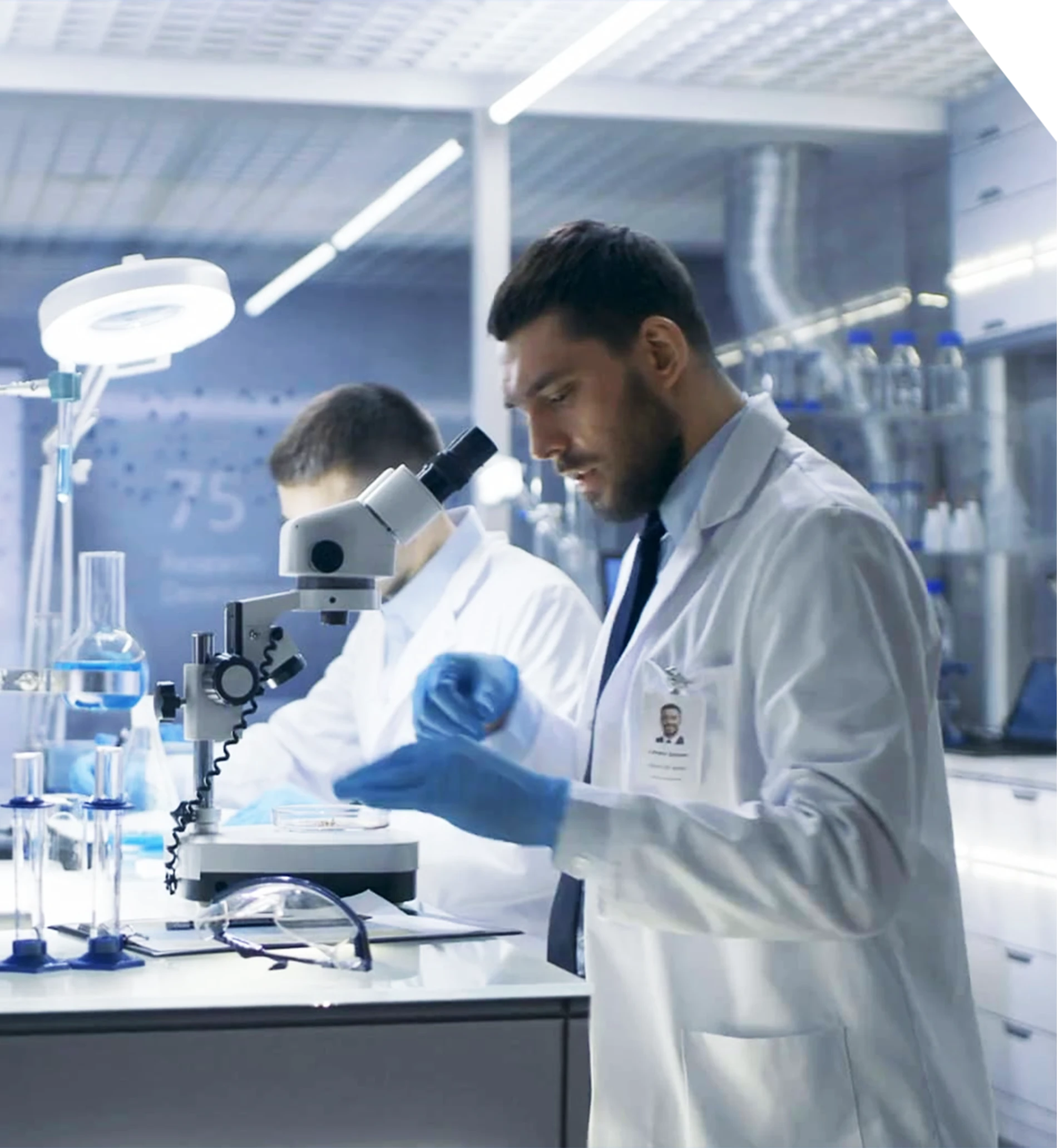
 Strong R & D Capability And Experienced Technical Team
-
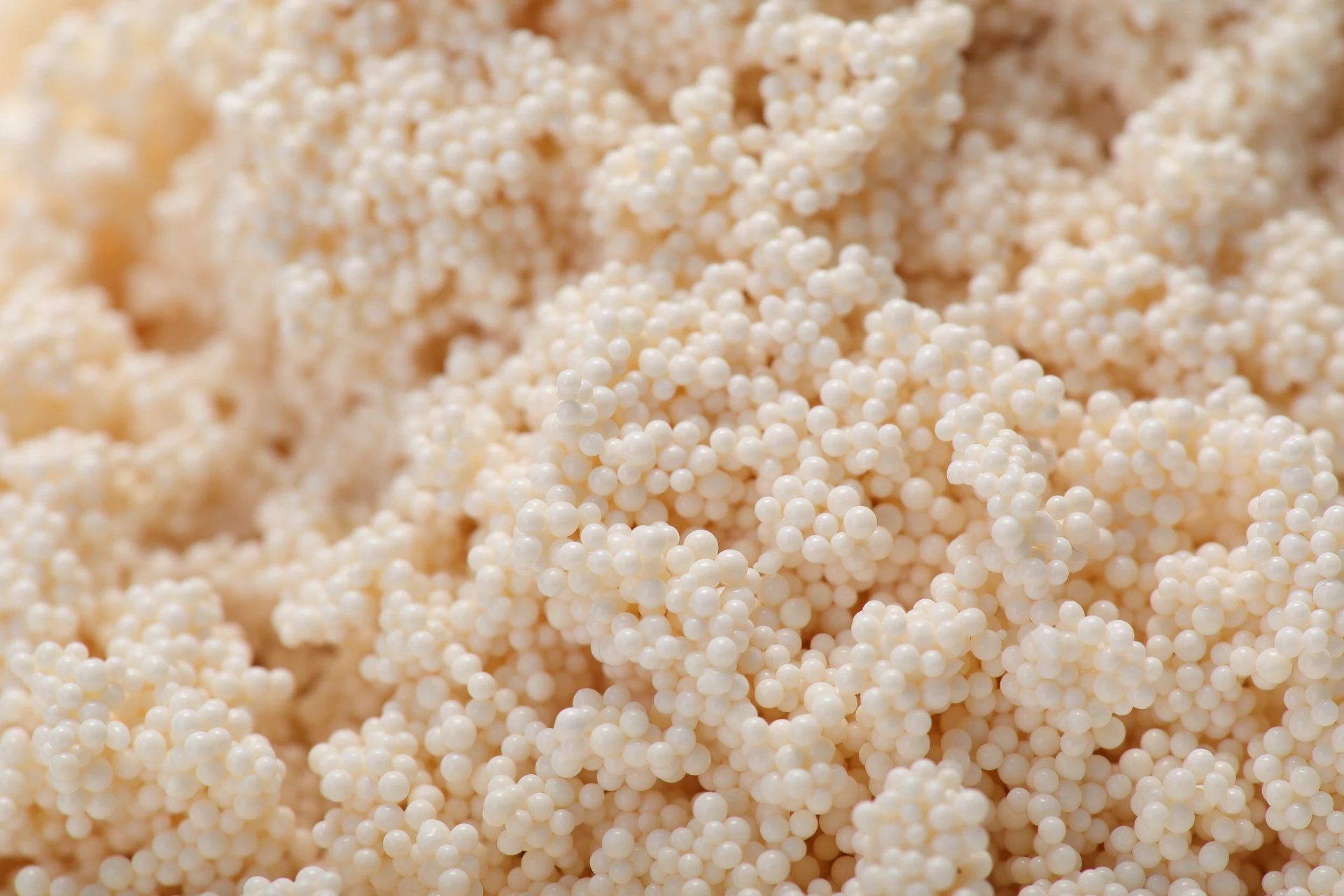
Provide Customers With Competitive And Differentiated Products